Boudoir photo shoot ideas: types, outfits and what to bring
· Minettes VIP
What decides how a shoot turns out isn't the posing — the photographer directs that — but two things you bring: the concept and the wardrobe. And the rule that changes the result most is counterintuitive: three or four outfits, not ten. Below are the session types you can ask for, what to bring to each, what the studio provides, and what you prepare in the days before.
This post is for you if you're about to have a shoot and want to arrive with your ideas straight. If what you want is to know what boudoir actually is and how it differs from glamour, that's in what boudoir photography means.
The session types you can ask for
It isn't one single thing. These are the ones we offer, and they work as a map even if you shoot elsewhere:
| Type | What it is | Wardrobe |
|---|---|---|
| Portrait | Face and expression, clean background. The most versatile and the one that ages best | Street clothes, or something with an interesting neckline |
| Classic boudoir | Starts dressed and transitions to lingerie. It tells a story | One normal outfit + one or two lingerie sets |
| Lingerie | The focus is the garment and the line of the body | Two or three sets that genuinely fit |
| Leggings / fitness | Body in movement, harder light | Fitted sportswear, clean trainers |
| Professional book | Variety to show agencies or clients | Three or four distinct registers |
| Pin-up | Boudoir with 1940s–50s retro styling | Period: high waist, retro swimwear |
If you don't know which to ask for, classic boudoir is the one that works best to begin with: the dressed-to-lingerie transition gives variety within a single shoot, and it doesn't make you decide everything up front.
The wardrobe: three or four outfits, not ten
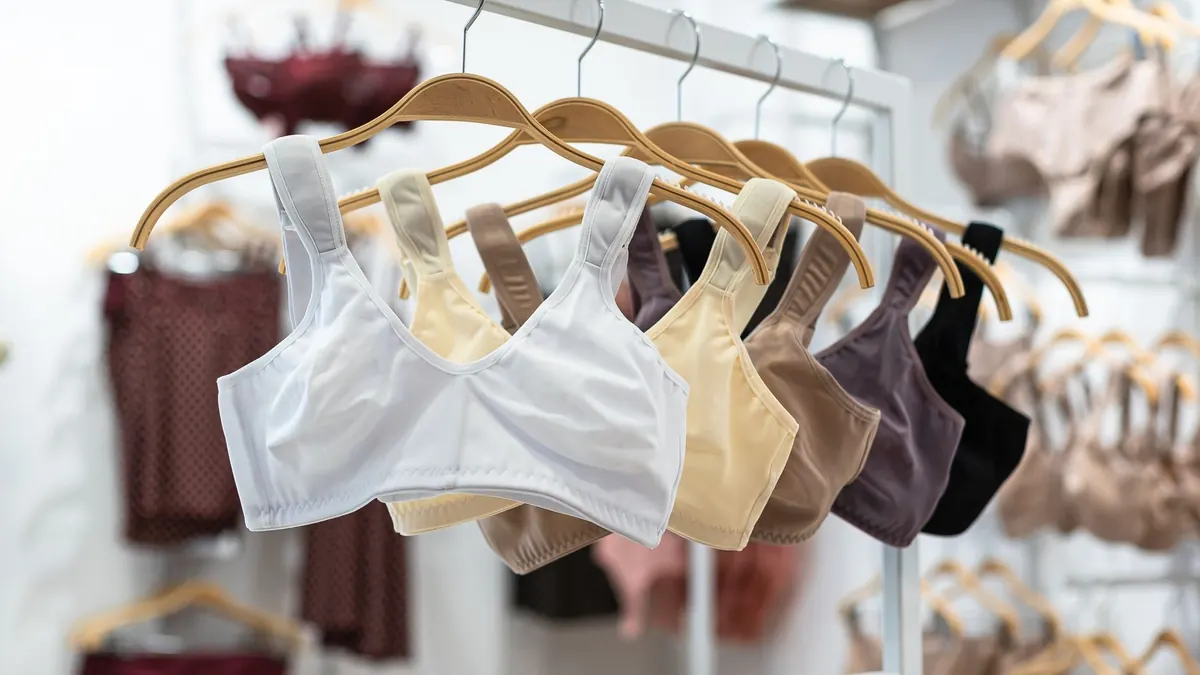
This is the most common mistake. Arriving with ten sets doesn't give you ten looks, it gives you a rushed shoot where none of them gets worked properly. What does work:
- One street or casual outfit to open with. It loosens you up and usually gives the most natural photos.
- One or two lingerie sets. Ones that fit now, not the size you'd like. Elastic marks show in the photo.
- One "different" one: sportswear, a man's shirt, a uniform, something of yours with a history.
And one technical detail almost nobody mentions: black lingerie on white sheets is the easiest contrast to light, which is why it appears so often. If you want something less seen, beige and skin tones need more light and come out softer.
Ideas by concept, not by pose
A shoot is remembered for the idea, not the posture. The ones that work are few and simple:
- The white sheet. Unmade bed, window light. It's a classic because white bounces light and flatters everyone.
- The man's shirt. One oversized piece, open, nothing underneath. It implies without showing, and it's the most requested.
- Backlight at the window. A silhouette against the light solves shyness: you see the shape, not the detail.
- The mirror. It allows two planes in one photo and gives a different, more observational look.
- The armchair or chair. It changes the whole posture and breaks the monotony of the bed.
- Water. Shower or bath. The hardest to execute and the best when it lands.
The "undressing fantasy" — the series that starts dressed and ends in lingerie — is what works best in sensual photography, because it tells something instead of showing.
At home or in a studio
At home works if you have a big window and a wall without visual noise. Side natural light mid-morning beats any lamp you own. What doesn't work is the ceiling light: it flattens and casts shadows under the eyes.
In a studio you control the light entirely, you can do backlighting and backgrounds that are impossible at home, and you don't depend on the weather. We work in studios in Toluca and Mexico City, with lighting, backdrops and post-production included.
What you prepare in the days before
This changes the result more than the camera does:
- References. Save five or six photos of the style you want and send them ahead. It's the fastest way to make the shoot come out as you imagined.
- Skin and rest. Sleep the night before, hydrate, avoid strong sun the previous day, and arrive in loose clothing: tight-clothing marks take an hour to fade.
- Nails, hair removal and hair as you want them in the photo. What isn't there can't be fixed in editing without it showing.
- Matte makeup. If you arrive made up, keep it matte: shine blows out under studio light. Full guide in makeup for photo shoots.
- Punctuality. Arriving late doesn't move the finish time, it shortens the shoot.
You don't bring the poses
It's everyone's fear and the least founded one: nobody expects you to arrive knowing how to pose. The photographer tells you where to put your hands, your chin and your weight, and corrects as you go. If you want to arrive having practised, there are seven posing tips for beginners, but it isn't a requirement.
And if you want the shoot without paying for it
There are two routes with us, and they're worth not confusing:
- Booking the session. You choose the type, the city and the budget, and the photos are yours. That's in boudoir photographer in Toluca.
- Applying to the casting. Here we handle the production: professional equipment, no following required, and you decide what gets published. It's paid per session — you don't pay. We reply within 48 to 72 hours.
Apply to the casting if what you want is the session, with someone else handling the rest.
Frequently asked questions
What types of photo sessions are there for models?
Portrait, classic boudoir, lingerie, leggings or fitness, a professional book, and pin-up. Classic boudoir works best to begin with because it gives variety in a single shoot.
How many outfits should I bring to a boudoir shoot?
Three or four: one street outfit, one or two lingerie sets, and one different one. Ten don't give you ten looks, they give you a rushed shoot.
What should I wear to a sensual photo shoot?
Lingerie that fits you now, one oversized piece like a man's shirt, and something with texture. Black lingerie on white sheets is the easiest contrast to light.
Can you do a boudoir shoot at home?
Yes, if you have a big window and a clean wall. Use side natural light and avoid the ceiling light, which flattens and marks shadows under the eyes.
Do I need to know how to pose?
No. Direction is part of the photographer's job. Arriving with references helps far more than arriving with memorised poses.
What do I prepare in the days before?
References, rest, hydration, nails and hair as you want them in the photo, matte makeup, and loose clothing so you don't have marks.
Want the session with production included? Apply to the Minettes VIP casting: professional equipment, no following required, and you decide what gets published.