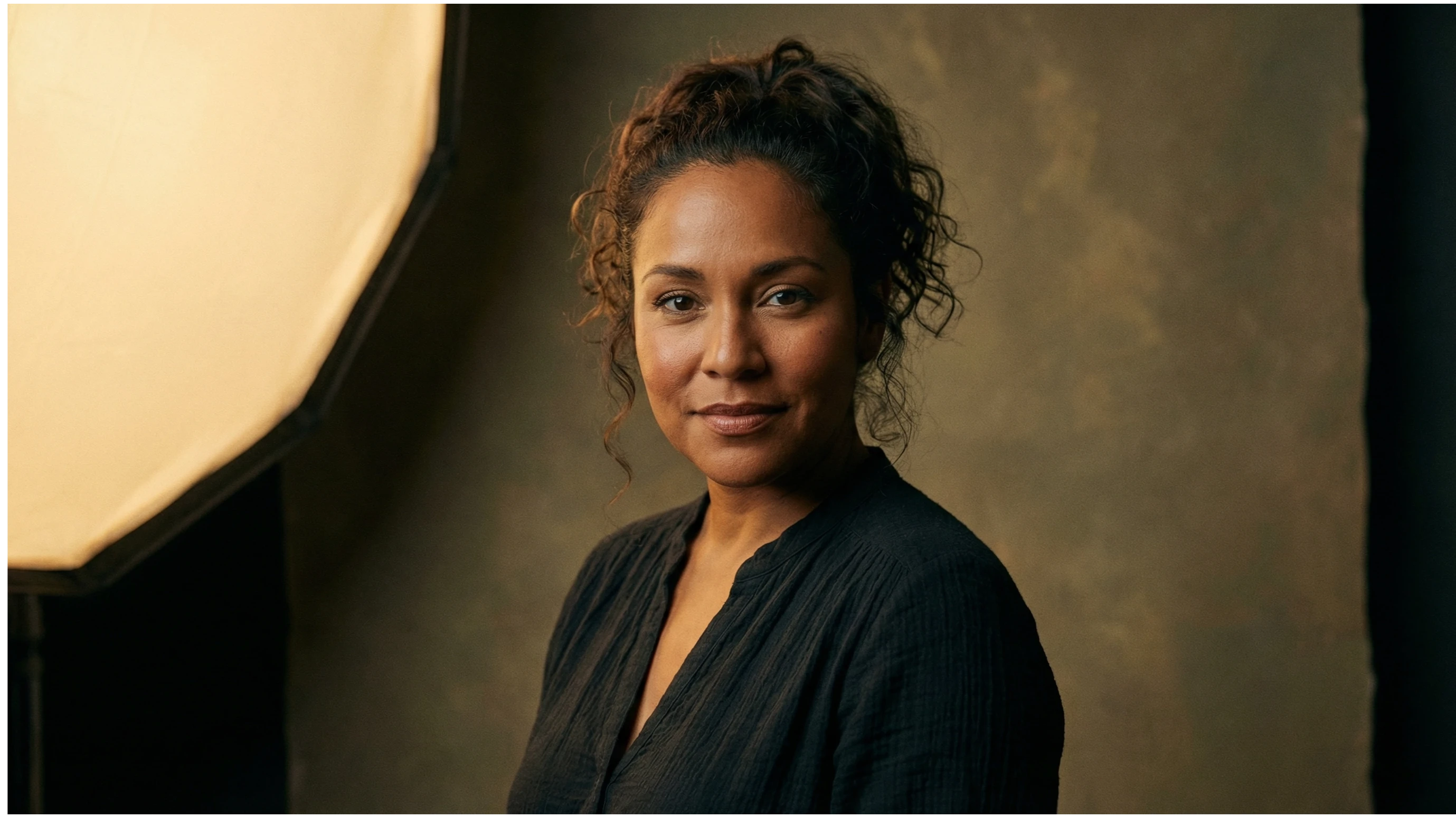
Artistic photography by women: empowerment through the lens
· Minettes VIP
Women's artistic photography is much more than capturing an image; it is an act of empowerment, a declaration of identity, and a celebration of authentic beauty in all its forms. In a world where women have historically been objectified and defined by the gaze of others, artistic photography becomes a space where they can reclaim their narrative, express their essence, and celebrate their individuality without filters or judgment.
The History of Women's Artistic Photography: A Legacy of Empowerment
Within this territory there is a genre with its own name and history: boudoir, born from the private room of an 18th-century French house. It is in what boudoir photography means.
The history of photography is incomplete without the voices and perspectives of women who, since the 19th century, have used the lens as a tool for expression, empowerment, and social change. Often relegated to the background, pioneering photographers like Anna Atkins and Julia Margaret Cameron laid the foundations of women's artistic photography, challenging the conventions of their time and demonstrating that the camera could be much more than a simple record of reality.
Anna Atkins, considered the first woman to publish a photobook in 1843, revolutionized photography with her cyanotype techniques and her focus on artistic documentation. Julia Margaret Cameron, for her part, became one of the great portrait photographers of the 19th century, using photography as a pure artistic medium to create emotive and poetic portraits that captured the soul of her subjects.
The 20th century witnessed an explosion of female talent in photography. Women like Dorothea Lange and Margaret Bourke-White documented history in real time, using their cameras to capture the rawest and most poignant human realities. Lange's iconic photograph, "Migrant Mother," became a symbol of the power of social documentation and the role of women in photojournalism.
In Latin America, artists like Tina Modotti and Lola Álvarez Bravo fused social critique with a unique aesthetic vision, exploring themes of identity, politics, and culture. Their works not only documented reality but also interpreted it through an artistic and deeply personal lens.
Beginning in the 1970s, the second-wave feminist movement spurred a new generation of photographers to use the camera as a weapon of activism. Artists like Cindy Sherman and Jo Spence challenged and subverted gender stereotypes, exploring the complexities of female identity and the representation of the female body in art. By taking control of their own image, these photographers demonstrated that photography is a powerful medium for liberation and empowerment.
Why is it important to celebrate feminine beauty through art?
In a world saturated with images that promote unrealistic and homogenous beauty standards, artistic photography of women has become a refuge for celebrating authenticity. Artistic photography doesn't seek perfection, but rather the expression of each woman's identity, vulnerability, and strength. It is an act of rebellion against established norms and an affirmation that beauty resides in diversity, in imperfections, in the stories that each face and each body tells.
Celebrating feminine beauty through art is important because it empowers women by allowing them to take control of their own narrative and represent themselves on their own terms. When a woman stands before a camera with the intention of being seen and celebrated for who she truly is, an act of courage and self-acceptance occurs that transcends the image itself.
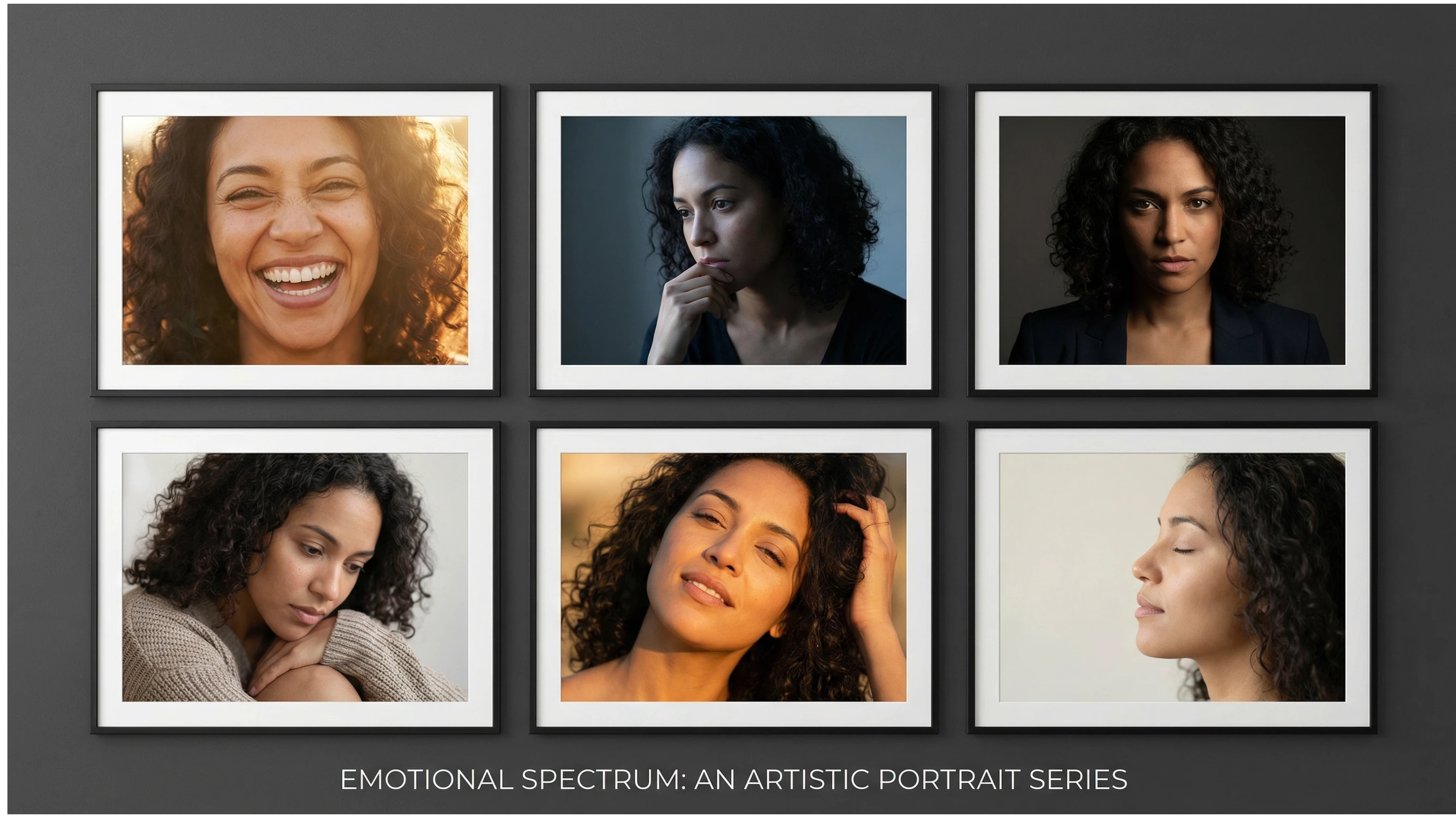
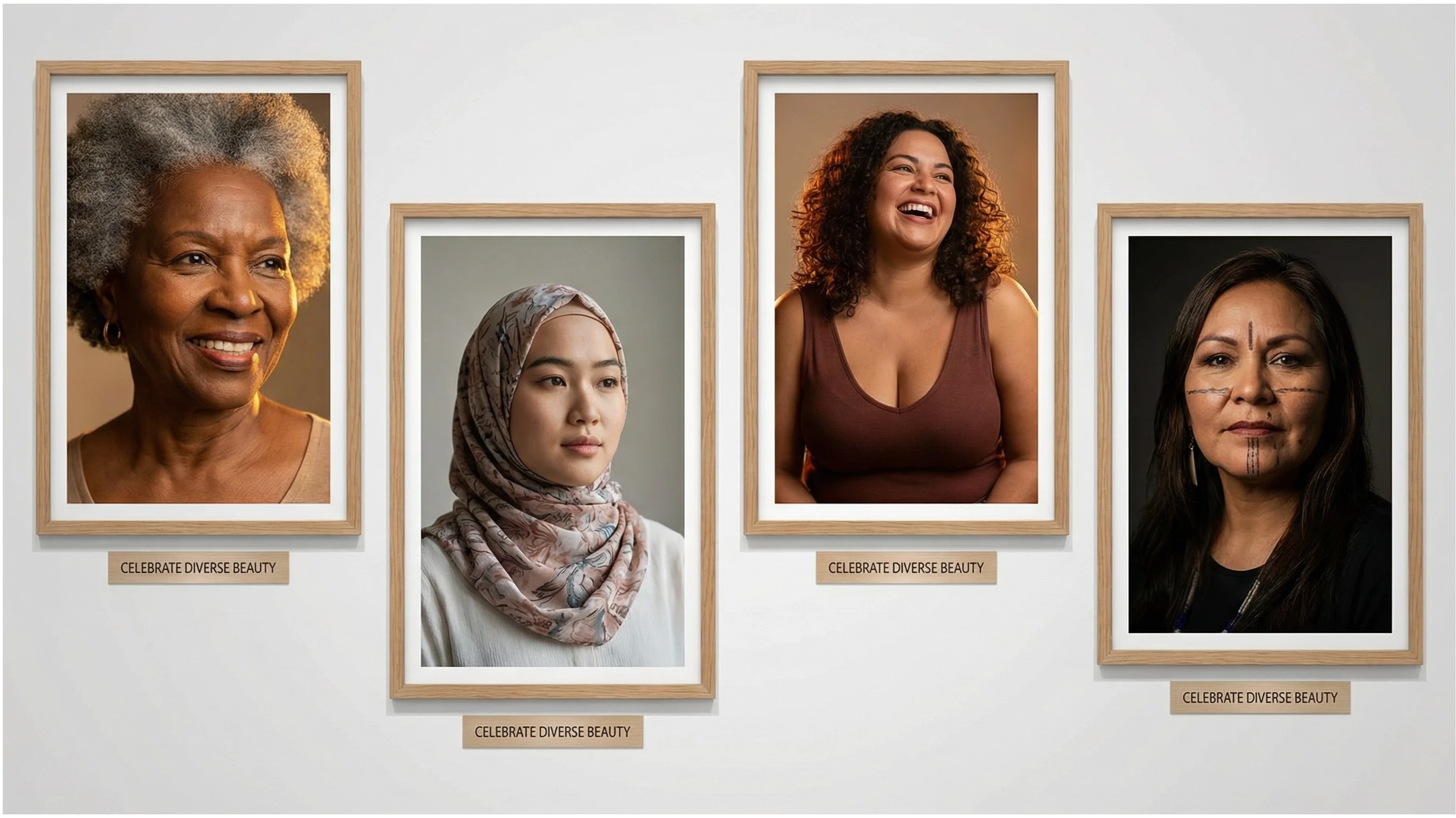
Artistic photography also promotes self-acceptance by showcasing a wide range of bodies, ages, ethnicities, and expressions of identity. By normalizing diversity, it helps women see themselves reflected in images that haven't been manipulated or idealized, but rather celebrate real and authentic beauty. This is especially important in an era where social media and advertising have created constant pressure to meet unattainable standards.
Furthermore, artistic photography creates a visual dialogue on fundamental themes such as gender identity, sexuality, aging, and the role of women in society. Images have the power to spark conversations, challenge perceptions, and inspire change. When we see other women portrayed in an authentic and powerful way, we feel inspired to embrace our own beauty and reject the narratives that limit us.
Technical Elements of Female Artistic Photography
Light is the element that decides the result most, and it deserves its own guide: the classic schemes, soft versus hard light, and the three-point setup, in lighting in artistic photography.
Women's artistic photography is distinguished by its focus on emotion, narrative, and aesthetics. Beyond technique, it's about creating a connection with the viewer and conveying a message or story through the image. However, mastering certain technical elements is fundamental to elevating a photograph from a simple portrait to a work of art.
Lighting: The Soul of Photography
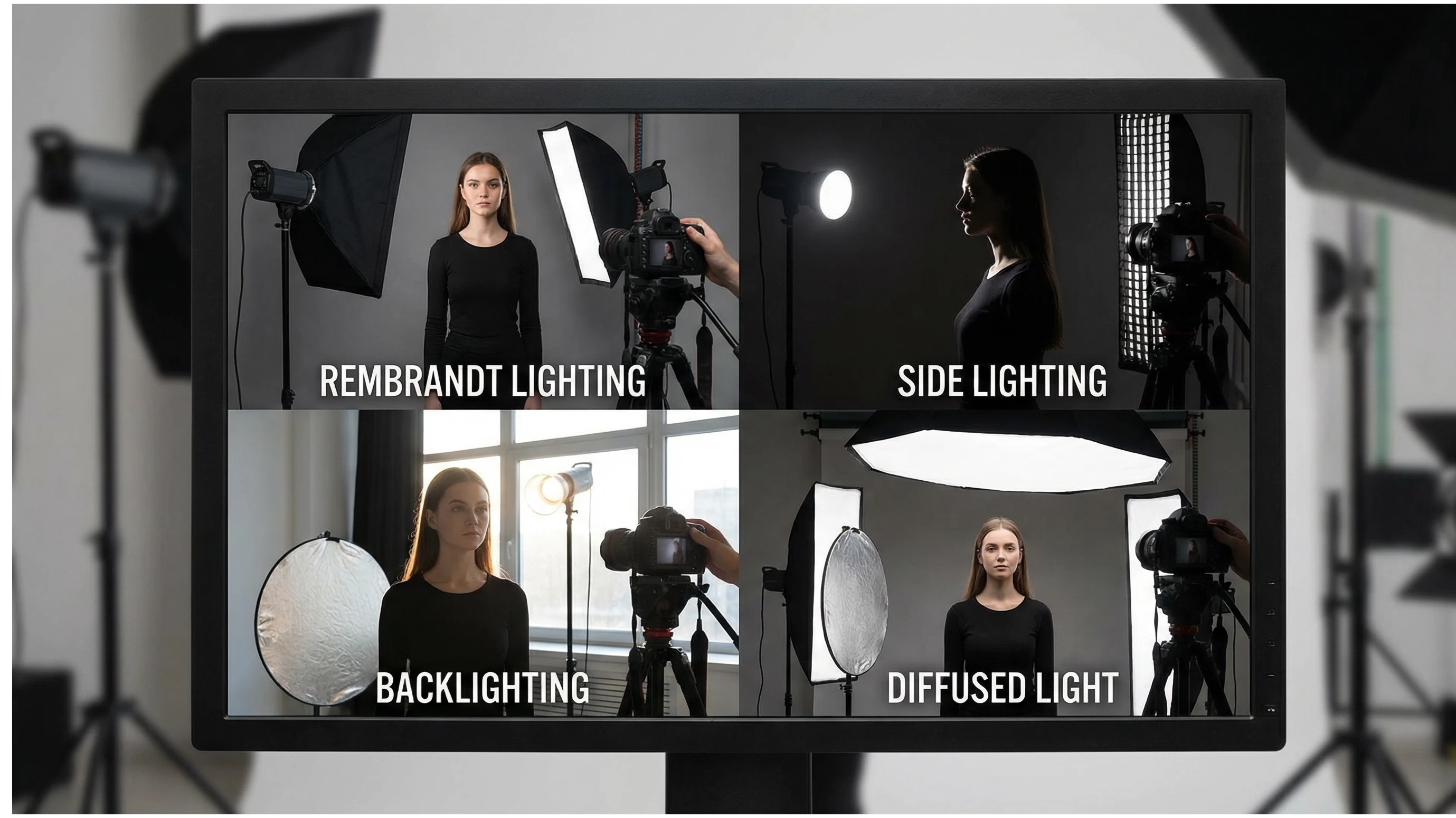
Light is the most powerful tool for creating atmosphere and conveying emotions. In women's artistic photography, lighting can completely transform the mood and message of an image.
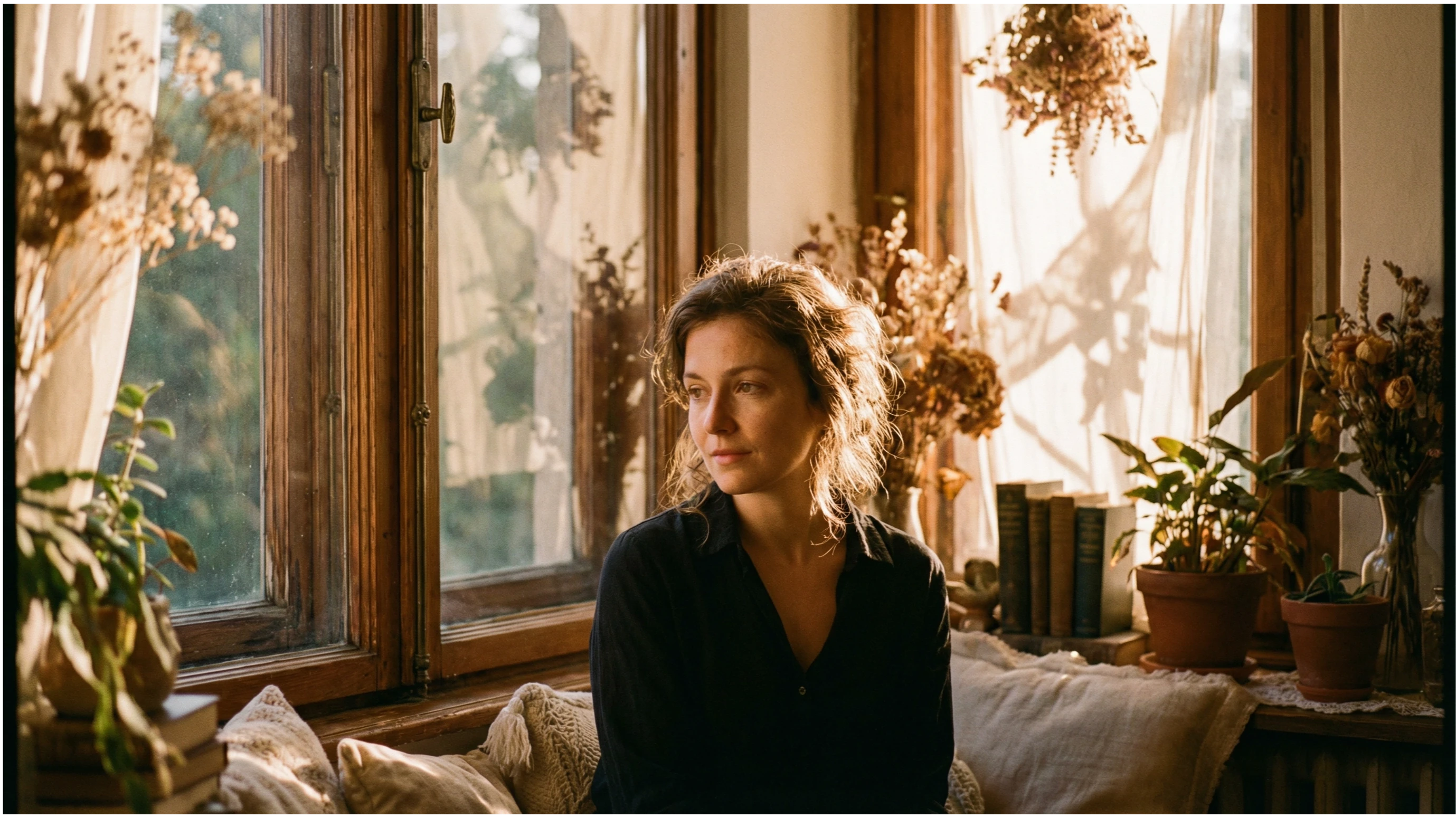
Soft natural light is ideal for creating an authentic, intimate, and delicate atmosphere. Light streaming through a window during the golden hour (at dawn or dusk) creates a warm, enveloping glow that highlights natural beauty without harshness.
Side lighting creates drama and dimension by highlighting textures and shapes. It's perfect for portraits that aim to convey strength, mystery, or emotional depth.
Rembrandt lighting, a classic technique that creates a small triangle of light on the subject's cheek, is widely used in artistic portraits for its ability to add depth and character.
Backlighting can create unique silhouettes and artistic effects, evoking mystery and romance.
Diffused light, achieved with softboxes or reflectors, softens shadows and creates a romantic and artistic look, ideal for beauty photography.
Composition: The Art of Organizing the Image
The way elements are arranged within a frame is crucial for creating balanced and visually appealing images. The rule of thirds is a fundamental technique that divides the image into nine equal sections, placing key elements at the intersections to create visual balance.
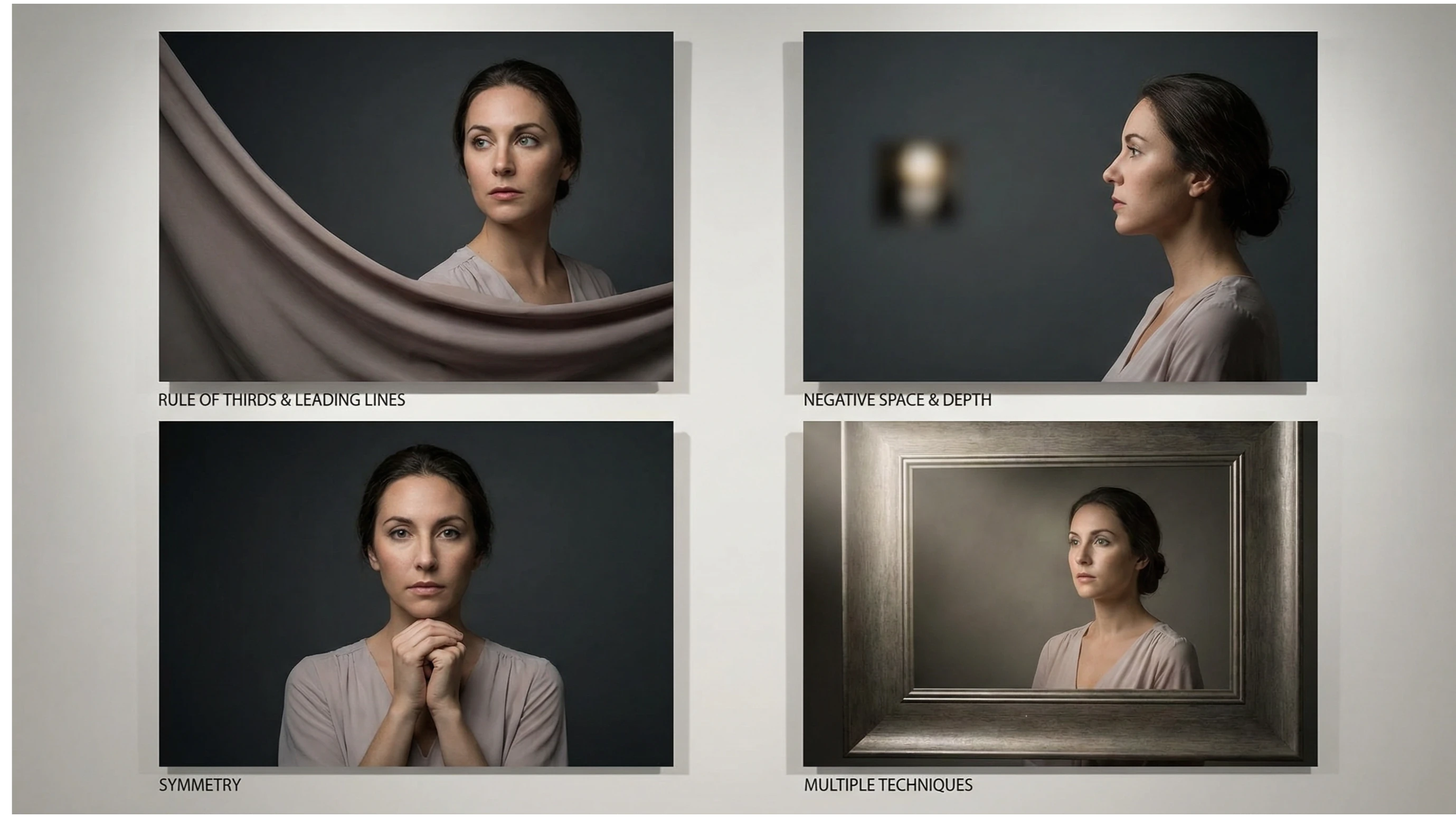
Leading lines use natural lines (such as paths, arms, gazes) to direct the viewer's attention to the main subject. The shallow depth of field, achieved with wide apertures (f/1.8, f/2.8), isolates the subject and creates a background blur (bokeh) that adds an artistic and professional touch.
Symmetry and asymmetry can create harmony or visual tension depending on the desired effect. Negative space, or the intentional use of empty space around the subject, can create visual impact and convey emotions such as solitude, freedom, or contemplation.
Color and Tone: The Emotional Palette
The color palette can completely transform the mood of a photograph. Warm tones (oranges, reds, yellows) convey closeness, intimacy, and warmth, while cool tones (blues, greens, grays) evoke solitude, tranquility, or mystery.
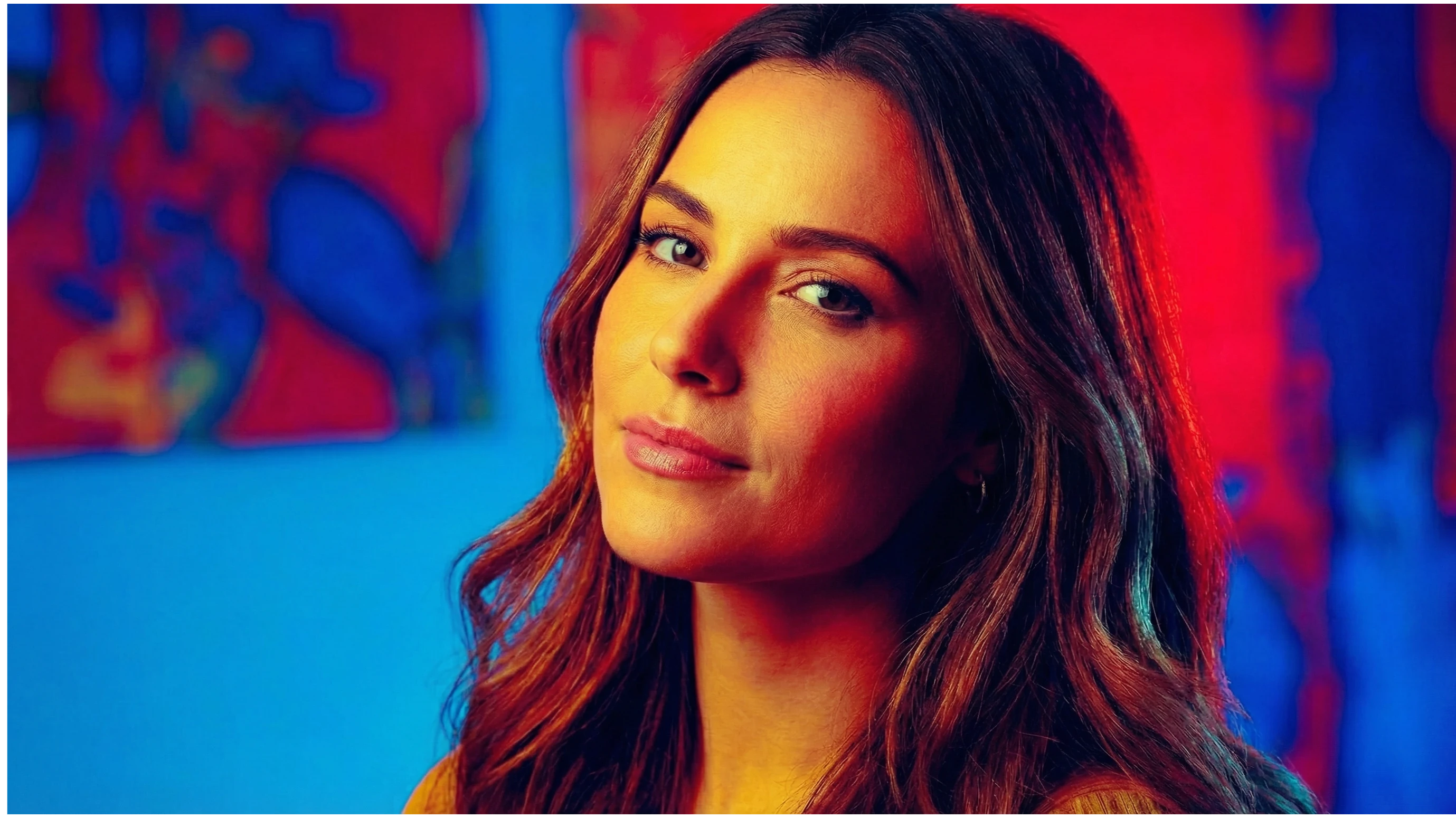
Black and white is a powerful choice in artistic photography, as it eliminates the distractions of color and emphasizes shapes, textures, and emotions. It creates a sense of timelessness and allows the viewer to focus on the image's expression and narrative.
Saturation also plays an important role: vibrant colors can convey energy and vitality, while desaturated or pastel colors can evoke nostalgia, softness, or melancholy.
Focus and Detail: The Intimacy of the Image
Playing with selective focus allows you to isolate the subject and direct the viewer's attention to the most important details. In artistic photography of women, this might mean focusing on the eyes to create a direct emotional connection, or subtly blurring the background to create a sense of intimacy and privacy.
Texture and detail are also key elements. Capturing the texture of skin, the sparkle in the eyes, the softness of hair, or the details of clothing adds depth and realism to the image, making the viewer feel as if they can touch and experience the photograph.
Stories of Empowered Models: The Beauty of Authenticity
At Minettes, we believe in the transformative power of photography. We've had the privilege of working with incredible women who have found in female artistic photography a way to rediscover themselves, heal, and celebrate their unique beauty. Here we share some of their stories (fictional but inspired by real experiences):
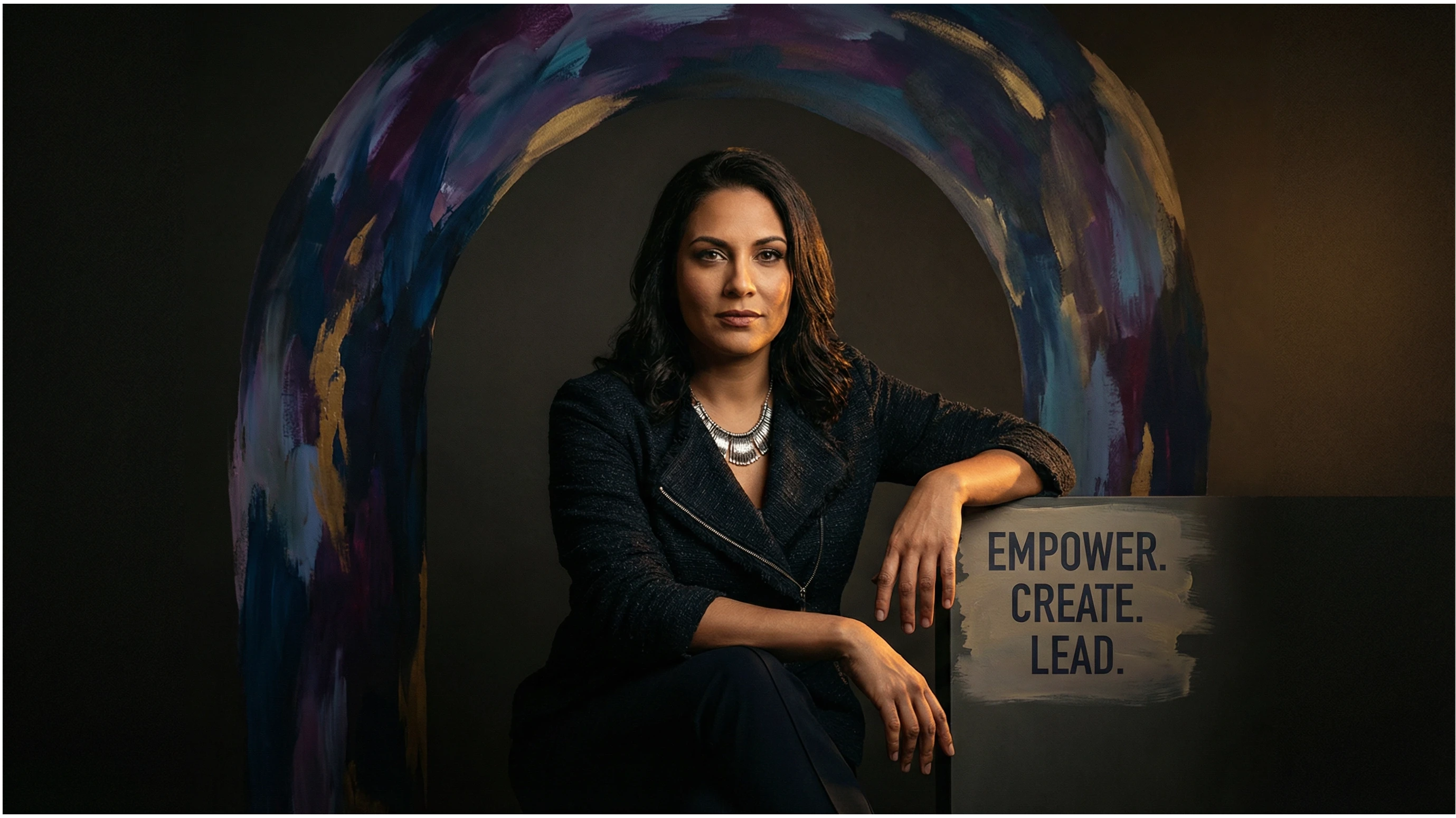
Sofia, 32 years old, graphic designer:
"I always felt insecure about my body. I grew up looking at fashion magazines and constantly comparing myself to models who looked nothing like me. The photoshoot with Minettes was a turning point in my life. Seeing my photos, in which I looked strong, beautiful, and authentic, helped me accept and love myself just as I am. It was a liberating experience that changed my relationship with my body and with beauty."
Camila, 25 years old, trans activist:
"As a trans woman, I have often felt invisible or reduced to stereotypes. Photography gave me a voice and a platform to show my true identity. Each photo is a statement of who I am and my right to exist and be seen. Minettes gave me a safe space to express myself without judgment, and the images we created together are a testament to my strength and beauty."
Isabella, 45 years old, mother and businesswoman:
"I thought modeling and fine art photography were only for young girls. Discovering fine art photography for women showed me that beauty has no age. Now I feel more confident, radiant, and powerful than ever. The shoot helped me reconnect with my femininity and celebrate the woman I am today, with all my experiences and wisdom."
Lucía, 28 years old, survivor of gender violence:
"After years of abuse, I had lost my identity and my self-esteem. Artistic photography was part of my healing process. By seeing myself through the lens, I was able to see my strength, my resilience, and my beauty in a way I had never experienced before. It was like being reborn and reclaiming my body and my story."
These stories are a testament to the power of women's artistic photography to heal, empower, and transform lives. Each image is an act of courage, a celebration of authenticity, and an affirmation that all women deserve to be seen, celebrated, and loved just as they are.
Be Part of Our Women's Empowerment Movement
At Minettes, we don't just create images; we create a movement. A movement that celebrates the authentic beauty, diversity, and power of every woman. If you feel inspired by these stories and want to experience your own empowerment through the lens, we invite you to be part of our project.
We're looking for women of all ages, sizes, ethnicities, and gender identities who want to share their stories and celebrate their unique beauty. No modeling experience is necessary, just the desire to connect with yourself and be part of a supportive, celebratory, and all-seeing community.
At Minettes, we work with professional photographers who understand the art and beauty of photography from an empowering perspective. Each session is a safe, respectful, and creative space where you can freely express yourself and explore your identity through images.
Join our casting call and let us capture the magic within you!
Learn more
If you are interested in learning more about the history and techniques of female artistic photography, we recommend exploring the following resources:
• Photography Trends 2026 - Pixpa - Explore the latest trends in artistic and professional photography
• Women Photographers Who Changed History - Ligeia Productions - Meet the pioneers who revolutionized photography
• Photographic Lighting Techniques - Format - Learn about the different types of lighting in photography
• National Museum of Women in the Arts - A museum dedicated to women artists, including photographers
From the idea to the session
All of this — reclaiming your own narrative, deciding how the camera looks at you, using the image to say something of your own — stays theory until there's a session. And a session needs a studio, light, direction, and someone to edit afterwards.
That's what we bring to the Minettes VIP casting: the production with professional equipment, no following required, and the part that matters here, you decide what gets published. We reply within 48 to 72 hours.
Apply to the casting if you want that image to exist rather than just be imagined.